
Virtual reality is no longer a futuristic concept reserved for gaming arcades or tech expos. Today, VR is actively reshaping entertainment industries — and offline casinos are among the most striking examples. As land-based gaming venues look for new ways to differentiate their offerings, virtual reality provides immersive, interactive and deeply personalized experiences that traditional gaming floors could never replicate.
From upgraded slot areas to fully simulated tournaments, VR becomes a strategic tool for attracting a new generation of players while revitalizing the interest of long-time visitors. This article explores how VR technology is transforming offline casinos, which innovations are already implemented, and what future trends will shape the gaming industry.
VR as a Catalyst for Engagement in Modern Offline Casinos
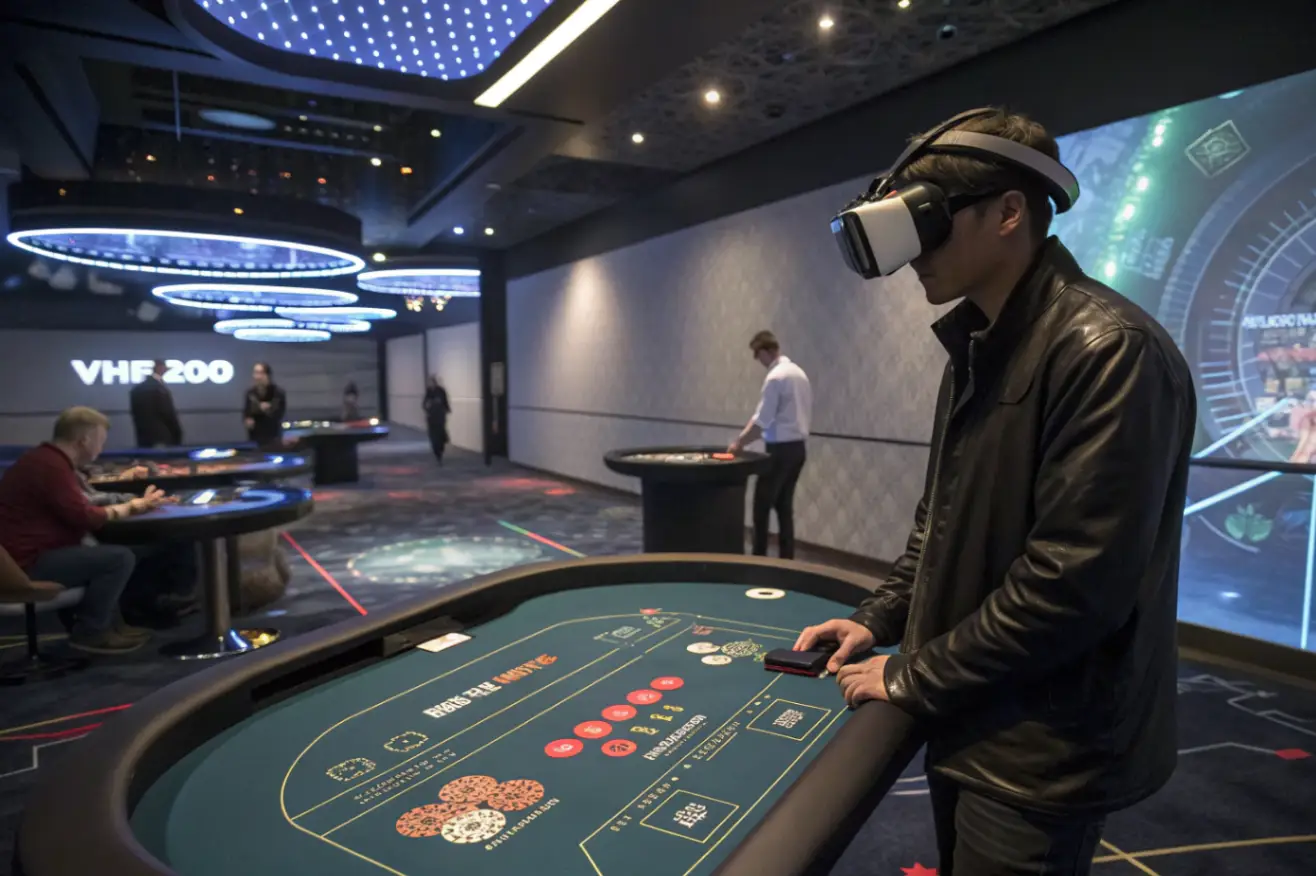
Offline casinos have always relied on atmosphere — lighting, sound, architecture and human interaction — to create a sense of excitement. VR enhances this philosophy by multiplying sensory immersion. Instead of merely watching a screen or sitting at a physical table, players can enter a digitally expanded casino environment layered over real-world space.
Well-known casino complexes such as Resorts World Las Vegas, The Venetian Macau, and Genting Highlands Malaysia have already experimented with VR arenas, VR slot zones and VR-enhanced lounge entertainment. Their goal is not to replace physical gaming but to extend it. For example, VR side-games allow players to step into thematic worlds while still placing real bets, creating a hybrid format that merges the best elements of digital immersion and offline authenticity.
By enhancing engagement duration, increasing emotional involvement, and offering unique interactive moments, VR becomes an engine of casino loyalty. It also opens new revenue channels through VR tournaments, paid experiences and premium zones.
How VR Enhances Traditional Casino Games
VR technology changes how classic casino categories are experienced on-site. Slots transform from stationary machines into three-dimensional thematic adventures. Table games such as blackjack or roulette gain an interactive layer, letting players view the table from any angle, analyze betting patterns, or even join mixed-reality games where the croupier interacts with holographic elements.
Before exploring deeper use cases, it is helpful to outline the core functional advantages VR introduces to offline casinos:
Key Benefits of VR Integration in Offline Casino Environments
To understand why VR is gaining momentum in casino entertainment, consider the following factors that operators highlight when building new gaming experiences. These benefits demonstrate how VR supports both business goals and player satisfaction:
- Immersive multi-sensory engagement that enhances the emotional connection to games.
- Increased session length due to dynamic and interactive content.
- New monetization models such as VR missions, tournaments and story-driven add-ons.
- Strong differentiation from competing casinos in saturated tourist markets.
These points reveal why many modern casino resorts view VR not just as entertainment, but as a competitive advantage that shapes future customer expectations. Such advantages help casinos position themselves as tech-forward destinations, appealing to both younger audiences and tech-savvy travelers.
Real-World Examples of VR Implementation in Offline Casinos
Many offline casinos have already incorporated or tested VR formats, proving that this technology is practical rather than experimental. Below is a table summarizing some notable real-world examples of VR adoption in land-based venues, each with its own focus and implementation style.
Overview of VR Use Cases in Global Offline Casinos
Before reviewing the table, note that each casino uses VR for distinct strategic purposes — entertainment diversification, marketing enhancement or full gaming immersion. After the table, we discuss what these approaches mean for the wider industry.
| Casino / Resort | VR Implementation Example | Purpose |
|---|---|---|
| Resorts World Las Vegas (USA) | VR gaming arena & experiential zones | Attract younger visitors and diversify entertainment |
| Genting Highlands (Malaysia) | VR thematic rides & casino-adjacent gaming | Strengthen resort’s family and leisure appeal |
| The Venetian Macau (China) | VR promotional experiences and event-based activations | Enhance brand presence and seasonal campaigns |
| Casino Helsinki (Finland) | VR training simulations for staff and controlled gaming demos | Boost operational efficiency and responsible gaming |
| Caesars Entertainment (USA) | VR-enhanced slot concepts and immersive prototypes | Test next-gen gaming experiences |
These examples highlight one important observation: VR enters offline casinos through multiple pathways. Some use it strictly for entertainment, while others integrate VR to enhance gaming strategy, staff training or customer engagement. The versatility of VR allows casinos to adopt the technology gradually, starting with small activations and scaling toward full mixed-reality gaming zones.
After examining these implementations, it becomes clear that VR shifts player expectations from passive observation to active participation. Instead of simply pulling a slot lever or placing chips on a table, users become part of a miniature world built around the casino brand. This shift transforms the casino floor into a storytelling environment — an evolution that mirrors trends in theme parks and interactive museums.
VR as a Tool for Personalization and Player Journey Optimization
One of the most transformative aspects of VR in offline casinos is personalization. Casinos increasingly use VR-enabled analytics and mixed-reality interfaces to tailor gaming paths to individual guests. When players interact inside a VR environment, the system captures patterns — preferred games, speed of play, emotional responses and engagement duration. These insights help casinos refine floor layout, design targeted promotions, and even recommend personalized gaming experiences.
VR also enhances onboarding for new visitors. Instead of walking through a large casino floor with little guidance, a guest can take a VR tour that explains game rules, available promotions and venue attractions. Casinos such as Casino Helsinki have tested VR tutorials to promote responsible gaming, showing players potential outcomes and helping them understand risk-reward dynamics.
In high-end VIP zones, VR cabins are used for thematic experiences tailored to premium players. These may include narrative table games, private VR adventures linked to wagering, or sensory environments designed to create emotional immersion — all of which increase the perceived value of VIP membership.
Future Trends: How VR Will Continue to Reshape Offline Casinos
The next stage of VR growth in offline casinos will likely revolve around three major trends: integration with AR and MR (augmented and mixed reality), more advanced haptic feedback, and the expansion of social multiplayer VR. Casinos are already testing AR chips, holographic dealers and wearable haptics that simulate touch sensations associated with card games or roulette wheels.
The biggest upcoming transformation is the rise of social VR gaming rooms within land-based casinos. These will allow groups of friends or tournament participants to join the same virtual environment while physically present in the casino. This hybrid social format is expected to boost tourism and event-driven visits, especially in destination casinos like Las Vegas or Macau.
As VR headsets become lighter and more ergonomic, casinos will be able to install them directly at gaming tables or slot stations. This will blur the line between traditional and digital gameplay while preserving the atmosphere of offline venues.
Conclusion
Virtual reality is no longer a conceptual innovation — it is a functional tool that elevates the gaming experience in offline casinos. From immersive slot adventures to VR training programs and promotional campaigns, this technology reshapes how casinos attract, entertain and retain visitors. The examples from major resorts around the world demonstrate that VR brings measurable benefits: stronger engagement, higher satisfaction, and a distinctive competitive edge. As VR continues to evolve, it will redefine what players expect from land-based gaming and position offline casinos as leaders in immersive entertainment.